Our Services
At Centre of Gravity Physiotherapy Farnborough, treatment is guided by a clear clinical approach focused on reducing pain, restoring movement, and achieving long-term results. Every appointment begins with a thorough assessment, allowing treatment to be tailored to your specific presentation, goals, and lifestyle.
Care combines hands-on treatment, exercise-based rehabilitation, and education — ensuring you understand your condition and feel confident in the plan moving forward.
Below you’ll find more detail on each service we offer and how we can support your recovery.
If you’re unsure which service is most appropriate, an initial assessment allows us to fully understand your concerns and recommend the most suitable treatment approach. If you would like to find out pricing, as well as any more information on our services then contact us today.
Physiotherapy
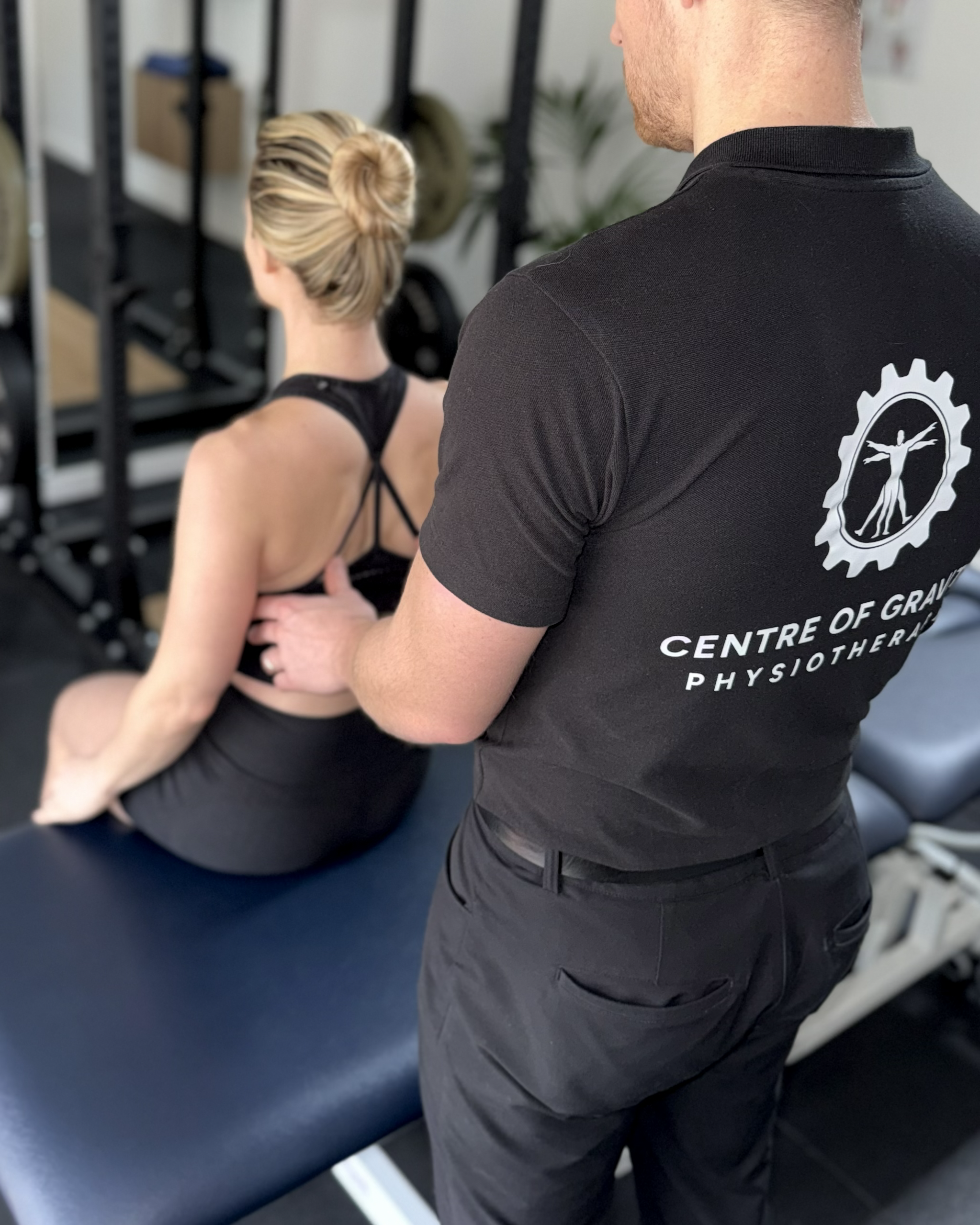
Every appointment begins with a thorough assessment to understand the underlying cause of your symptoms — not just where the pain is felt. Treatment is personalised, evidence-based and built around a clear plan for recovery.
Sessions may include hands-on treatment, structured exercise rehabilitation and advice around activity modification and load management. Care evolves as you progress, supporting both short-term improvement and long-term resilience.
Physiotherapy focuses on assessing and treating pain, injury and movement-related problems affecting muscles, joints and nerves.
Physiotherapy may be appropriate for:
Persistent or recurring pain
Joint or muscle injuries
Reduced movement or stiffness
Rehabilitation following injury or surgery
Mobile Physiotherapy Appointments
In some cases, physiotherapy can be provided in your home or workplace. Mobile appointments may be appropriate where clinic attendance is not practical, such as during early post-operative recovery, acute pain, or mobility restrictions.
Availability of mobile appointments is discussed on an individual basis to ensure the setting is appropriate and supports effective treatment.
If you are unsure whether physiotherapy is the right option for you, a free consultation phone call can help clarify the most appropriate next steps.
Sports Physiotherapy
Sports physiotherapy supports individuals involved in sport or regular physical activity, from recreational exercisers to competitive athletes. We already currently support a number of athletes across Farnborough, Fleet, Yateley, Camberley, Farnham and Surrey. These athletes compete in an array of supports, from professional football and rugby, to international hockey and young athletes competing for GB athletics.
Treatment considers the specific physical demands of your sport, current training volume and performance goals. Whether your injury has developed suddenly or gradually over time, rehabilitation is built around restoring function while keeping you active where possible.
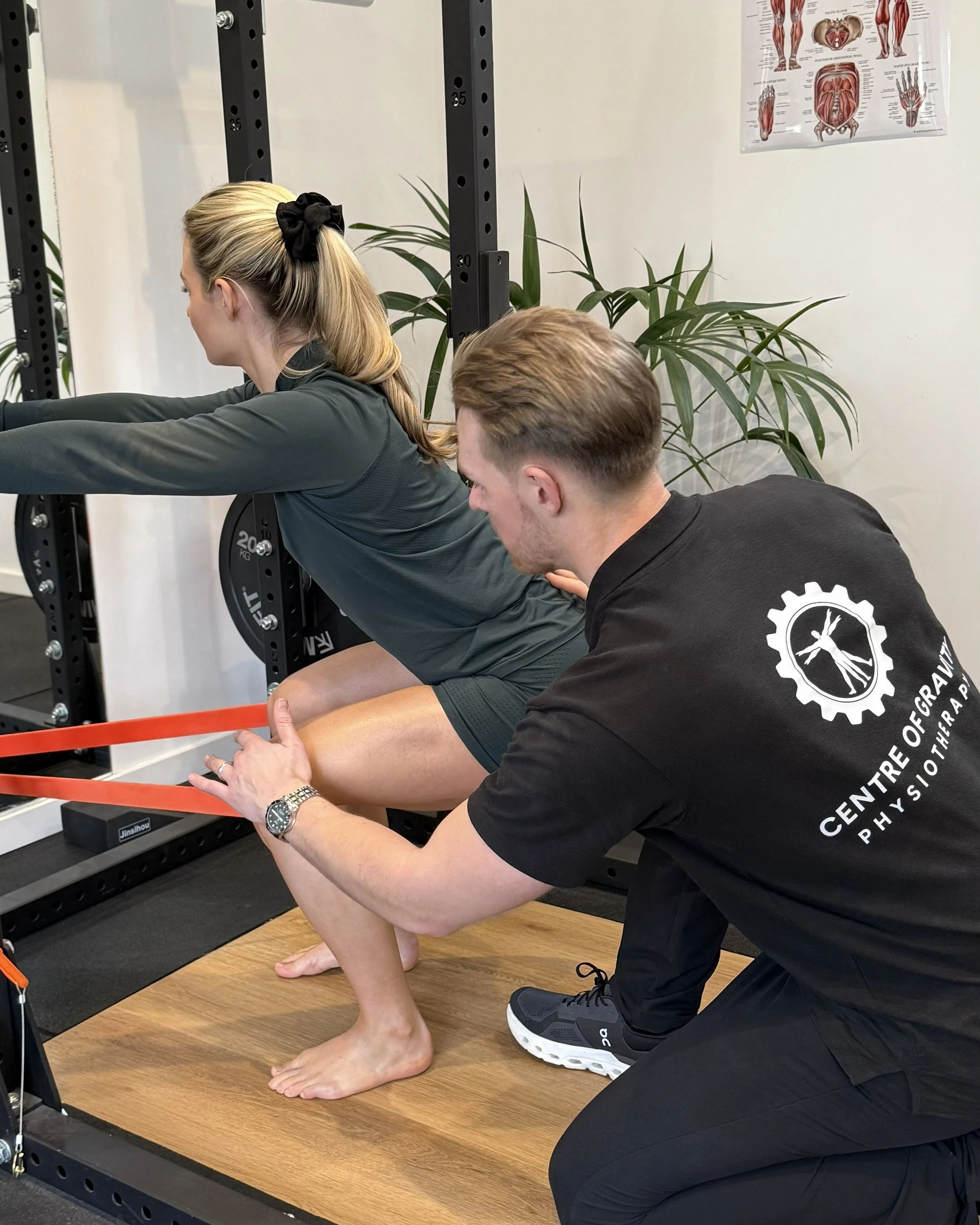
Sessions may include hands-on treatment alongside progressive, strength-based rehabilitation to improve movement quality, tissue capacity and confidence under load.
Rehabilitation is supported by access to our in-clinic gym, allowing treatment to progress beyond basic exercises into more sport-specific strength and conditioning. This includes return-to-play preparation using functional equipment and plyometric training where appropriate, helping to rebuild power, control and confidence under realistic demands.
Where required, structured return-to-sport planning is integrated to reduce the risk of re-injury and ensure you are physically prepared to return to training and competition. Full-body return-to-play screening is also available to identify residual deficits and optimise performance readiness.
Sports physiotherapy may help with:
Acute or overuse injuries
Return-to-sport rehabilitation
Managing training loads safely
Performance-related movement or strength issues
If you are unsure whether sports physiotherapy is suitable for you, a free consultation phone call can help determine the most appropriate next steps.
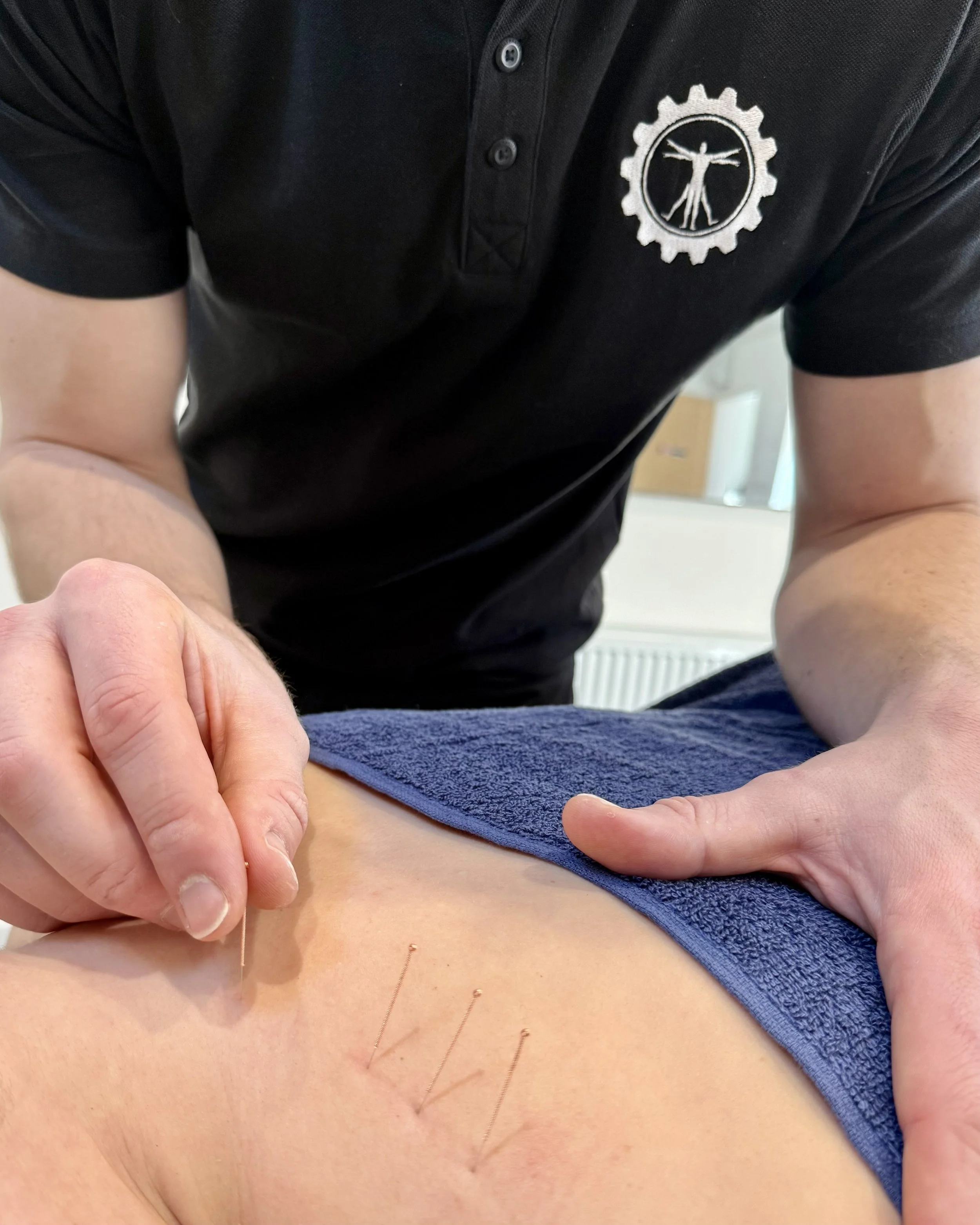
Acupuncture
It is typically combined with hands-on treatment and exercise-based rehabilitation rather than used in isolation. Where appropriate, acupuncture can help reduce discomfort and improve movement, allowing rehabilitation to progress more effectively.
The decision to include acupuncture is guided by clinical reasoning and your individual presentation, ensuring it supports — rather than replaces — active recovery.
Acupuncture may be used as part of a wider physio treatment plan to help manage pain, muscle tension and movement-related symptoms.
Acupuncture may be considered for:
Pain management
Muscle tension or spasm
Movement-related discomfort
If you are unsure whether acupuncture is appropriate for your condition, this can be discussed during a free consultation phone call.

Post-Operative Physiotherapy
Post-operative physiotherapy plays an important role in supporting recovery following surgery, helping you regain movement, strength and confidence safely.
Rehabilitation is guided by surgical protocols, clinical assessment and your individual progress, ensuring treatment remains structured and appropriate at each stage of recovery. Early rehabilitation often focuses on restoring mobility and control, before progressing into strength, function and return to normal activity.
Exercises are introduced and advanced carefully, with close attention to technique, load and recovery. The aim is to protect healing tissues while steadily rebuilding capacity and long-term resilience.
Post-operative physiotherapy may support recovery after:
Joint replacement
Ligament or tendon surgery
Arthroscopic procedures
Other orthopaedic surgery
We work closely with experienced local orthopaedic consultants and can facilitate referrals for further investigation where required, including imaging or specialist input. This ensures your care is well coordinated and aligned with best clinical practice throughout your recovery.
If you are preparing for surgery or are unsure what stage of rehabilitation you are at, a free consultation phone call can help guide the most appropriate next steps.
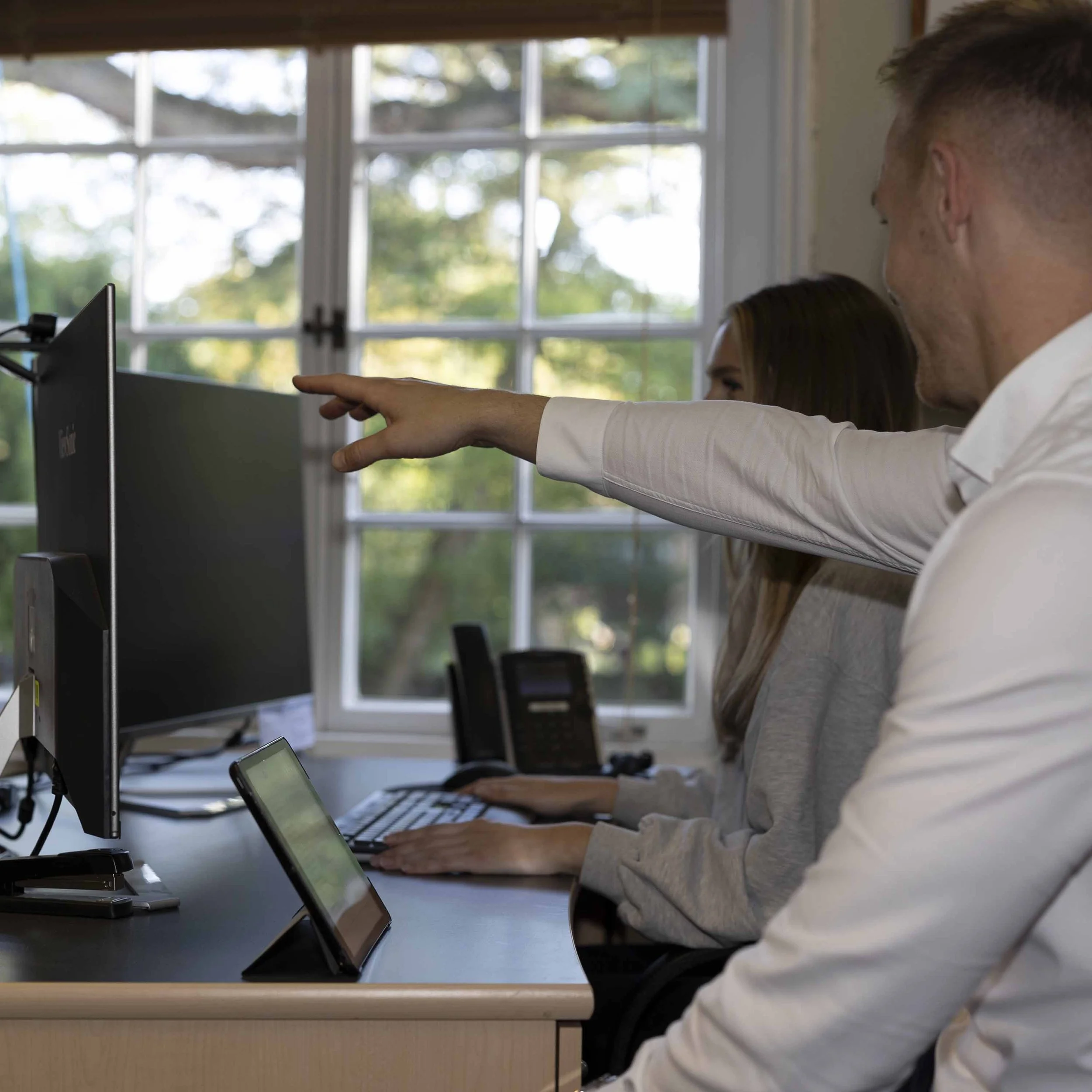
Workstation & DSE Assessments
Assessments consider posture, workstation setup, movement habits and workload demands, with the aim of reducing strain and improving comfort throughout the working day. Symptoms often develop gradually with prolonged sitting, repetitive tasks or poor desk ergonomics.
Recommendations are practical, evidence-based and tailored to your individual working environment — whether at home or in the workplace. Where appropriate, exercises and movement strategies may also be provided to support long-term comfort and reduce the risk of symptoms returning.
Workstation and DSE assessments identify ergonomic and movement-related factors that may be contributing to discomfort or pain at work.
Workstation assessments may be helpful for:
Neck, shoulder or back discomfort
Symptoms associated with prolonged desk-based work
Home or office working setups
Assessments can be carried out remotely or in the workplace, depending on your requirements and setup. Corporate and onsite services are also available for organisations. Learn more about our Corporate Services here.
If you are unsure whether a workstation or DSE assessment would be beneficial, a free consultation phone call can help determine the most appropriate next steps.

Our Three Clinical Pillars
At Centre of Gravity Physiotherapy, treatment isn’t guesswork or quick fixes. Our approach is built around three core clinical pillars that ensure your care is personalised, effective, and focused on long-term results — not just short-term symptom relief.
-
As autonomous practitioners, physiotherapists have a duty to assess and treat effectively, which is why we believe our hands on skills are crucial. We can use these skills to reduce your pain levels, confirm our diagnosis and help you to understand exactly what is happening with your body. Hands-on treatment plays an important role in reducing pain, improving joint mobility, and helping your body move more freely. Using evidence-based manual techniques such as joint mobilisation, soft tissue therapy, and hands-on movement work, we aim to calm symptoms and restore normal movement patterns.
This approach isn’t about passive treatment alone — it’s about creating the right conditions for recovery, so you can move more comfortably and progress confidently into rehabilitation.
We do also treat patients with very sensitive injuries, in which case manual therapy is chosen very carefully, and occasionally we may feel its more appropriate to get you moving more comfortably without the hands on treatment. Physiotherapy is and always has been a collaborative process, so we will always discuss treatment options with patients before proceeding.
-
Exercise is central to long-term recovery. Every rehabilitation programme is carefully designed around your specific injury, physical capacity, and personal goals — whether that’s returning to sport, managing a long-standing issue, or simply moving better day to day.
Your programme will evolve as you improve, with clear guidance and progression to rebuild strength, control, and confidence. Exercises are chosen not just because they work in theory, but because they fit realistically into your lifestyle.
We will always make sure that you understand why you are doing a specific exercise, as well as how to do it. We use physitrack to help you stay motivated and provide how-to videos with all exercises. Physitrack allows you to set yourself reminders, ask the physiotherapist questions about specific exercises and keep track of your progress.
-
Rather than chasing symptoms, we focus on understanding why pain has developed in the first place. By addressing contributing factors such as movement patterns, strength deficits, load management, and recovery habits, treatment is aimed at reducing the likelihood of problems returning.
The goal isn’t just to get you out of pain — it’s to help you stay active, resilient, and confident in your body over the long term.
This is where we feel physiotherapy is different to other therapies and treatments available. We believe in fixing the source of the problem. So whilst we will focus initially on treating your symptoms and helping you move with less pain, we recognise that this is not enough. We must find what causes the problem, in order to reduce the chances of reoccurence.
Together, these three pillars create a clear, structured approach to physiotherapy — combining hands-on care, active rehabilitation, and long-term thinking. An initial assessment allows us to fully understand your concerns and outline a treatment plan tailored to your goals.

Frequently Asked Questions
-
No — you can self-refer. If we think you need a GP or specialist input, we’ll tell you.
-
We triage first to make sure physiotherapy is appropriate and to book you into the right type/length of appointment.
-
We offer sessions on Monday to Friday. After triage, we’ll share the next available options. This will usually be within the next 1-2 working days.
-
Yes — we can accept most insurer-funded patients. Complete the triage form and tell us your insurer.
-
Initial Physiotherapy Assessment (45 mins) — £70
Follow-Up Physiotherapy Session (30 mins) — £55Mobile appointments are available — pricing varies by location. Get in touch for more info.
If you are unsure which appointment is most appropriate, book a free consultation call and we will guide you.
-
Your initial session includes a detailed assessment, diagnosis, hands-on treatment where appropriate, and a clear rehabilitation plan moving forward.
-
This depends on your injury, goals and recovery timeline. Some patients improve in just a few sessions, while others benefit from longer-term rehabilitation support.
-
Yes. We regularly support recreational and competitive athletes with acute injuries, return-to-play rehab and performance-focused strengthening.
-
Yes — mobile physiotherapy appointments are available for those who prefer treatment at home or are unable to attend the clinic.
-
Wear comfortable clothing that allows movement and access to the area being assessed (e.g. shorts for knee problems).
-
Treatment should not feel excessive or worrying. Some techniques may be uncomfortable temporarily, but care is always guided by your comfort and goals.