Wrist and Elbow Pain: Common Causes and How Physiotherapy Can Help
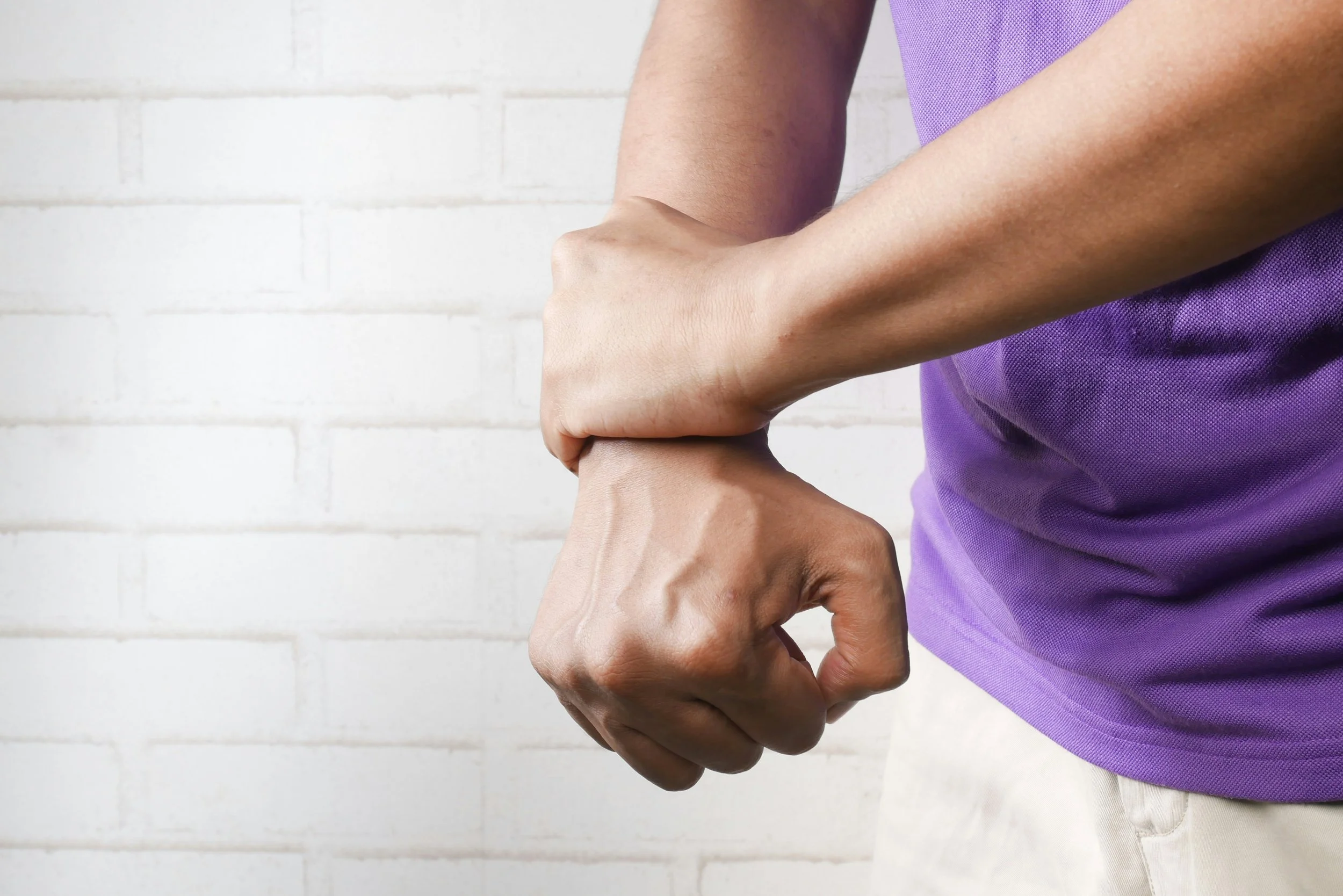
Pain around the wrist or elbow is extremely common — particularly for people who spend long hours at a desk, use tools regularly, lift weights, or perform repetitive movements through work or sport.
Conditions such as tennis elbow, golfer’s elbow, and carpal tunnel syndrome can all develop gradually over time. The good news is that most cases respond very well to physiotherapy, especially when treated early with the right combination of rest, rehabilitation and strengthening.
In this article, we’ll explore the most common causes of wrist and elbow pain, what may be contributing to your symptoms, and how recovery is best managed.
Understanding Wrist and Elbow Anatomy
The elbow is a hinge joint, similar in structure to the knee. It connects the upper arm bone (humerus) to the two forearm bones (radius and ulna), allowing bending, straightening and rotational movement.
The wrist is more complex, made up of multiple small bones and tendons that allow fine movement of the hand. Because of this complexity, the wrist is particularly vulnerable to irritation from repetitive strain or nerve compression.
Most wrist and elbow pain seen in clinic is linked to overload — where the tissues are asked to do more than they can currently tolerate.
Tennis Elbow and Golfer’s Elbow
Two of the most common elbow conditions are:
Tennis elbow (lateral epicondylitis)
Golfer’s elbow (medial epicondylitis)
Despite the names, these conditions are rarely caused by sport. In fact, only a small proportion of cases are related to tennis or golf.
Instead, they are more often caused by repetitive gripping or wrist movements, such as:
Desk-based work and mouse use
DIY or manual labour
Repetitive lifting or gym training
Tools such as drills or screwdrivers
These conditions involve irritation of the tendon attachments around the elbow. Symptoms typically include local pain, weakness with gripping, and discomfort during everyday activities.

Carpal Tunnel Syndrome
Carpal tunnel syndrome is one of the most common causes of wrist and hand symptoms.
It occurs when the median nerve, which passes through the wrist, becomes compressed. This can lead to:
Tingling or numbness in the hand or fingers
Weakness in grip strength
Aching through the wrist or forearm
Symptoms worsening at night
Common risk factors include:
Repetitive tool use
Diabetes
Pregnancy
Wrist fractures
Inflammatory arthritis
Diagnosis can sometimes be complex, as nerve symptoms may also originate from the neck or upper limb. A physiotherapy assessment can help identify the true source.
How Are These Conditions Treated?
Most wrist and elbow pain improves with a structured, evidence-based approach. In physiotherapy, treatment usually involves three key stages:
1. Identifying the cause
The first step is understanding what is overloading the area. This may include:
Repetitive work tasks
Poor desk ergonomics
Sudden increases in training volume
Grip-heavy activities
2. Reducing aggravation
Rest does not mean doing nothing — it means temporarily reducing the movements that flare symptoms, allowing irritated tissues to settle.
Ice, anti-inflammatory medication (where appropriate), and ergonomic changes can help in the early phase.
3. Strengthening and rehabilitation
The most important part of long-term recovery is progressive strengthening.
Tendon and nerve-related issues respond best when loading is rebuilt gradually — often starting with static (isometric) exercises before progressing to more dynamic strengthening.
A tailored programme ensures symptoms improve without recurrence.
When Should You Seek Help?
You should consider professional assessment if:
Symptoms persist beyond 2–3 weeks
Pain is affecting daily function or work
You experience numbness, tingling or weakness
Symptoms keep returning after rest
Early treatment is often the fastest route to recovery.
How Physiotherapy Can Help
At Centre of Gravity Physiotherapy, we assess wrist and elbow pain thoroughly to identify the true cause — not just treat the symptoms.
Treatment may include:
Hands-on therapy
Tendon and nerve rehabilitation
Ergonomic and activity advice
Structured strengthening plans
Return-to-sport or return-to-work guidance
If you are struggling with persistent wrist, elbow or hand symptoms, feel free to get in touch or book a consultation.
References
Coombes BK, Bisset L, Vicenzino B. Management of lateral elbow tendinopathy: one size does not fit all. J Orthop Sports Phys Ther. 2015.
Burton CL, Chesterton LS, Chen Y. Clinical course and prognostic factors in carpal tunnel syndrome. BMJ Open. 2016.
Written By
Harry Liniker BSc MSc MCSP
Lead Physiotherapist and Founder, COG Physiotherapy Farnborough
